
The Evolution of Influencer Culture
Most young people think that becoming a social media influencer is a cheat code for success in today's world— and in a lot of ways, they’re not wrong. You don’t have to scroll far on TikTok to realize that there are 19 and 20-year-olds buying houses and landing brand deals, all from being paid to post content. Social media influencers shape everything around us. From the clothes we wear to the water bottles we drink out of, it all came from the impact of social media and trending creators. While this lifestyle seems happy and fulfilling, it begs the question: Will social media remain a viable career path forever? Will social media influencers always dictate what’s trending?
Back to the Basics
Considering the fact that being a social media influencer is a relatively new career, it can be hard to tell the ways it has changed in its short lifespan so far. What’s clear is that it’s never been easier—or more accessible—for anyone to become an influencer. These days, becoming an influencer takes less raw talent and a lot more strategy.
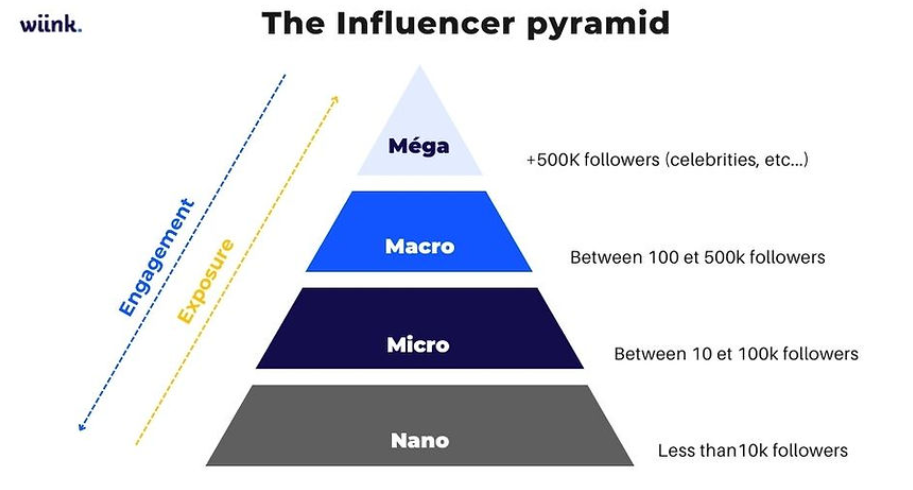
Today, anyone with a smartphone who is willing to put in the effort has the potential to be an influencer. An influencer, at its core, is simply someone who can—well—influence their audience. There’s no specific mold or set of requirements to fit into. As long as you’re consistently creating and sharing content, you can technically be considered an influencer. That said, not all influencers are the same. They’re often grouped into different categories based on their reach and impact. Let’s break them down:
Nano Influencers (1K–10K followers): These influencers are everyday ordinary people, but with small loyal communities and a consistent posting schedule. Think of your college friend who shares daily lifestyle videos; they may not be earning commission on their content, but their videos get engagement from people who know them.
Micro influencers (10K–100K followers): These creators often have high engagement rates, along with a loyal following. On platforms like TikTok, you can start earning commission on your videos once you hit 10,000 followers. Commission for influencers is based on watch time and engagement. Because of that, most micro-influencers aren’t making a full-time income from their content—so their posts often revolve around their day jobs, side hustles, or personal hobbies. These types of influencers are also the cheapest options for brands to partner with.
Macro influencers (100K–5M followers): Once you become a macro influencer, this is typically when it becomes more of a full-time job. These creators have built strong personal brands and recognizable identities that stretch across multiple platforms. Macro influencers are often the faces you see collaborating with major brands, attending events, or starring in high-profile campaigns. They’ve likely got a manager or team helping them navigate sponsorships, PR deals, and content schedules. Influencers also often lose their relatability at this stage, even though their relatable content is what got them so far.
The Rise of the ‘Girl Dinner’
If you’ve eaten around a group of people in the past few years, you’ve likely heard the term “girl dinner.” It started when TikTok creator Olivia Maher posted a video showing her simple dinner of bread, cheese, and pickles, jokingly calling it a “girl dinner.” This funny, light-hearted clip turned into a trend that redefined what dinner could look like for women, and it all originated from influencer media.
Brands quickly started to pick up on this trend, especially in the food industry. An example of this is from Popeyes. In 2023, Popeyes launched a new “girl dinner” section of its menu. The menu items consisted of small sides like mac and cheese, fries, and mashed potatoes. Although this is no longer an option on their menu, they successfully turned a viral media joke into an actual product, earning more social media traction because of it.
The Comeback of Authentic Influencers:
My prediction is that casual, authentic influencers will be making a comeback. For a while now, social media has been dominated by creators who present their lives as perfectly curated — every post edited, every shot making their lives out to be perfect. But audiences are starting to push back. The “social media isn’t real” movement has been gaining traction again, with people craving more honesty and relatability online. We’ve seen this most clearly with Emma Chamberlain, who completely flipped influencer culture on its head by embracing imperfection and making authenticity her brand. Not only did she shape the fashion industry into what it is today, but she made imperfection cool. From her awkward camera angles to her unedited YouTube rants, she made people feel seen. I’m convinced that this wave of genuine, unfiltered content will define the next era of influencer culture.
The Glamour and the Gamble
Whenever someone with an ordinary life starts to gain popularity on TikTok, a recurring theme for these creators is to drop out of college or quit their day jobs. And most of the time, this makes the most financial sense. Many creators are earning thousands (and some, millions) from posting content online, so why wouldn’t they choose to go all in? But the truth is, no one has been a full-time content creator for 40 years. The industry is still so new that no one really knows how sustainable it will be as a long-term career path. There have been many cases of influencers going all in on being a social media celebrity, only to flop a few years later. A notable example is Jason Nash, who went from being part of one of the most influential YouTube groups — The Vlog Squad — to hosting TikTok live streams and asking for gifts (money) just to make ends meet. His story is a reminder that even with massive followings and viral fame, no one’s relevance is guaranteed forever.
At the end of the day, continuing your education or keeping a stable job alongside content creation will always be the smartest — and safest — route for influencers trying to build something that lasts. And while being an influencer seems like it would be a glamorous and exciting career, stability is never guaranteed in this field.
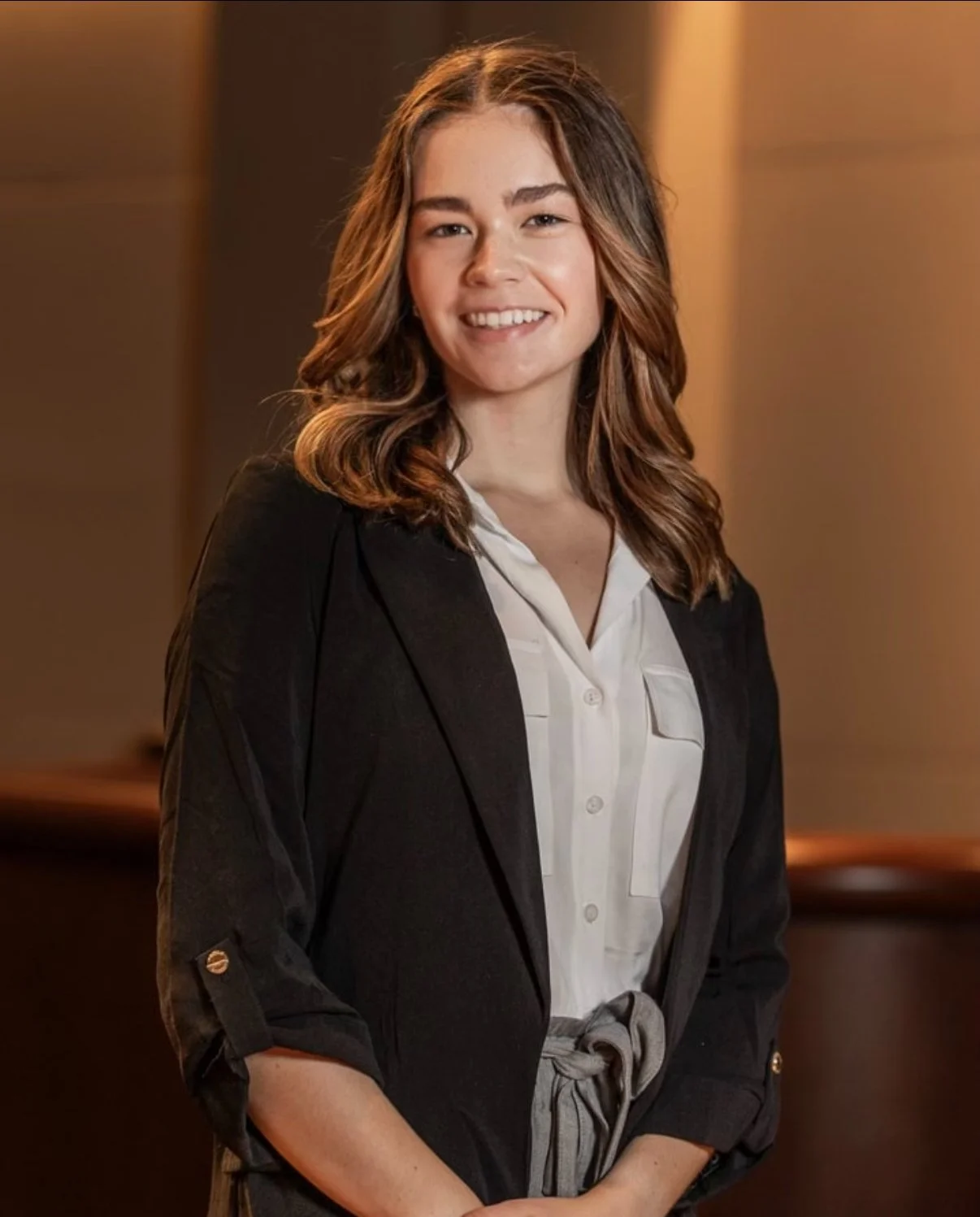
Claire is a junior majoring in Advertising and Public Relations with a PR emphasis! She currently serves on the PRSSA E-board as the Professional Development Director. After college, she hopes to work in sports media. Her fun fact is that she had a photography internship in Idaho this summer!