
Memes and PR: The New Language of our Digital Landscape
In today's media landscape, memes hold more value in communication now than traditional PR messaging, sometimes in a faster and more effective way. Many big-name brands, celebrities, and influencers use memes for advertising, storytelling, and first response. Memes are a tool that can reach millions in a fast and productive way that gets messages across clearly to a new generation of viewers and buyers. Let's talk about how and why memes work so well.
Memes as Communication
Memes are instant and shareable messages that align culturally with a new generation's needs and wants; they spread these messages faster than any other form of media content could. According to Forbes, Gen Z does not like ads and is less likely to buy in or tolerate them. Memes provide value and entertainment in a way that does not feel forced and is more authentic, a trait that Gen Z admires greatly. They are relevant and fast, which is why brands need to be timely about what kind of messaging and memes they are creating. The internet moves fast, so it is important to stay relevant by making sure the meme is still trendy and that the cultural climate is still right.
Why Memes Work as PR Tools
The American Marketing Association states that memes are entertaining but are also becoming a new source of sharing information. Due to their rise in popularity, more brands, celebrities, and influencers are using memes to be authentic, funny, and engaging, but also to share new information at a quicker rate. Superside, breaks down brands that are great at meme marketing such as, Netflix, they know their target audience and play into that by creating relevant content that also shared information, such as when new shows/ movies are dropping soon, what is trending from their productions, and even sometimes to make fun of shows/movies that may not being so well, taking that and spinning it into something positive and creative.
Another great example of meme culture is Wendy’s, which has gained a reputation for being sassy on the internet. They make memes “roasting” their competitors like McDonald's and even celebrities like Gordon Ramsay. They are known to clap back and set the record straight on any misinformation, something that their younger audience values, as it shows they are original and keep things light-hearted.
Memes Gone Wrong
Memes without cultural understanding can backfire if not done correctly. There is a time and place for meme culture, and there is a way to do it without being insensitive to other groups or communities of people. Memes during tragedies, or huge cultural movements, or even during losses to communities of people, are not appropriate. As a Public Relations professional, you don't handle a crisis with a meme; you handle it in a skillful and timely manner. According to Deseret News, SunnyD shared a meme on X, insinuating that they were depressed and wanted to give up. They received a lot of backlash as many people didn't agree with using mental health struggles for brand content, and they were, in a way, making fun of people who were in vulnerable positions. They received a lot of uproar for not understanding the current cultural landscape.
Takeaways
Memes have become a powerhouse in strategic communications; they shape how brands connect with their audiences. When they are used correctly, memes can change the dynamic of online communication. Being authentic and using cultural awareness when making and sharing memes helps boost engagement and build brand trust and loyalty, but if brands aren't careful, they can come off as insensitive and can damage audiences' trust and their perceptions of the brand. In today's Public relations landscape, the victorious brands are the ones that understand memes carry power if they are intentional and original.
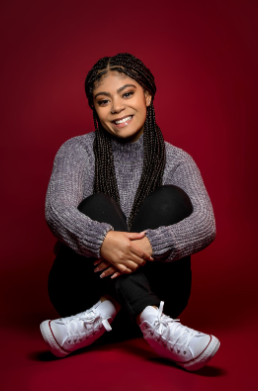
Lauren Bourdierd Monegro is currently a Senior at Grand Valley State University, studying Advertising and Public Relations. She is an Account Associate at GrandPR and will be graduating in December 2025. She is focused on combining her AdPR skills with culture, representation, and advocacy to tell authentic stories to audiences.