
WNBA Finals Game 6: The Challenges Of A 12:30 Tipoff
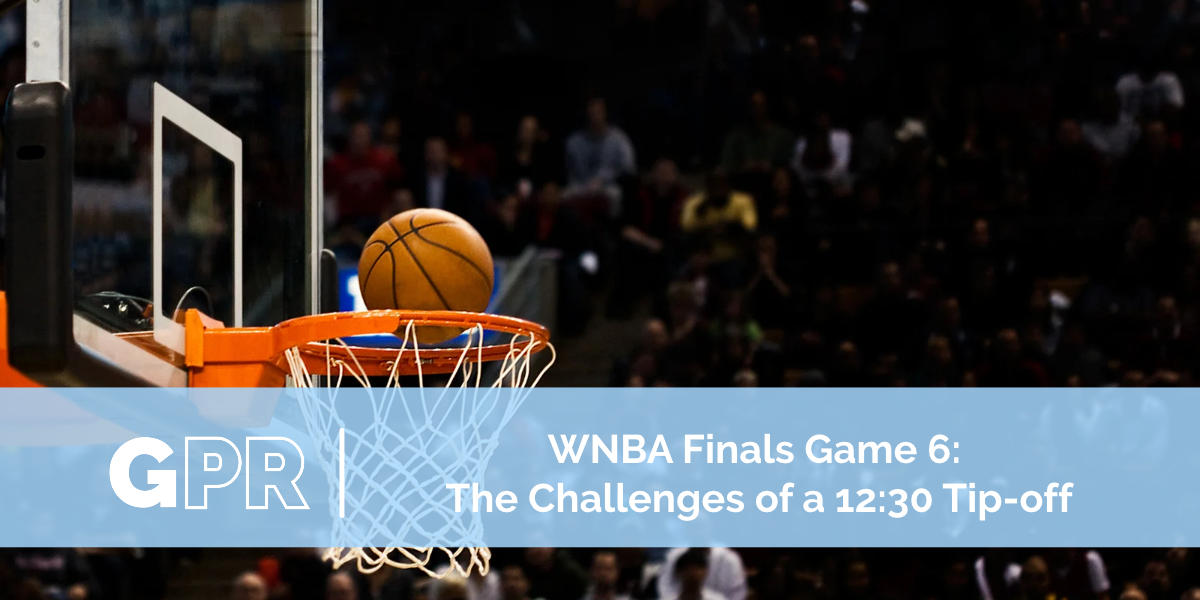
Scheduling a major sporting event involves more than choosing a time that works best for television. It also affects players, staff, fans, and the overall experience. The WNBA Finals Game 6 in Atlanta between the Golden State Valkyries and Atlanta Dream started at 12:30 p.m., creating challenges for an event with a championship on the line. The Golden State Valkyries were on the brink of winning the WNBA Championship, making this one of the biggest moments in the franchise’s history. Traveling across the country and adjusting to a three-hour time difference added another challenge for a team preparing for such an important game.
The Reality of an Early Tipoff
A 12:30 p.m. start can create difficulties for everyone involved. Players must prepare for an unusually early tipoff, while staff members have to arrive even earlier to set up the arena and prepare for fans. Supporters also face challenges with transportation, work schedules, and finding time to attend the game.
Another important consideration was the NBA schedule. The Atlanta Hawks were just beginning their regular season, and both the Hawks and the Atlanta Dream play at the same arena. With both teams scheduled to play on the same day because of the WNBA Finals schedule, coordinating the events created additional logistical challenges. Moving an NBA game earlier to accommodate the WNBA Finals would not necessarily have been realistic. However, this situation raises an important public relations question: How can professional basketball leagues better coordinate their schedules to give both men's and women's basketball the visibility and attention they deserve?
More Than Just a Television Schedule
Television partnerships can influence when games are scheduled, potentially helping leagues reach larger audiences. However, maximizing broadcast opportunities should not be the only priority. A championship game deserves an atmosphere that reflects the importance of the moment.
For the Valkyries, the stakes were especially high. After traveling from California to Georgia, the team had to manage the time difference while preparing for a potentially historic victory. For fans, an afternoon start could make attending the game more difficult, especially for those traveling from outside Atlanta.
The WNBA could improve future scheduling by balancing television needs with the experience of players and fans. Giving teams enough time to travel and prepare would help make game day run more smoothly. The league could also use social media and email to communicate schedules and other important details in advance so fans know what to expect.
Beyond the Buzzer: The PR Behind the Planning
From a public relations perspective, scheduling plays a major role in the overall event experience. The WNBA has an opportunity to grow its audience and showcase its athletes, especially as the league continues to evolve. Last season marked the WNBA's first finals played in a best-of-seven format, making this only the second played under this new structure. With the league continuing to develop its schedule and championship format, careful planning is important to ensure these major moments receive the attention they deserve.
The WNBA could use fan feedback and viewership data to evaluate whether its scheduling decisions are effective. Promoting the finals through behind-the-scenes content and player interviews could also build excitement, even when an early start time makes attending more difficult.
Finally, a 12:30 p.m. tipoff may seem like a small detail, but it can have a major impact on a championship event. As the WNBA continues to grow and establish new traditions, its scheduling decisions should reflect the importance of the finals. Strong sports PR means creating an experience that works for television while also considering the players, staff, and fans who make these moments possible.
About the Author
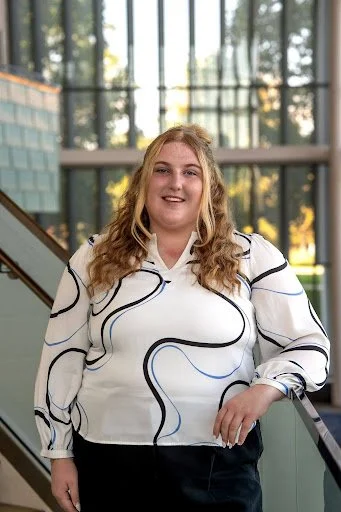
Katherine Daly is a junior at Grand Valley State University majoring in Sport Management with minors in Advertising and Public Relations and Hospitality and Tourism Management. She has been an Account Associate with GrandPR for two semesters. Katherine is passionate about sports marketing, social media, and event planning. She has gained experience through internships with GVSU Athletics and B1 Soccer Academy in Barcelona. After graduation, she hopes to pursue an MBA and build a career in marketing or event planning for a professional sports organization. Outside of school, Katherine enjoys traveling, staying active, and exploring new opportunities in the sports industry.