
From Fan Favorite to Internet Punchline: Can Crumbl Survive Its Own Hype?
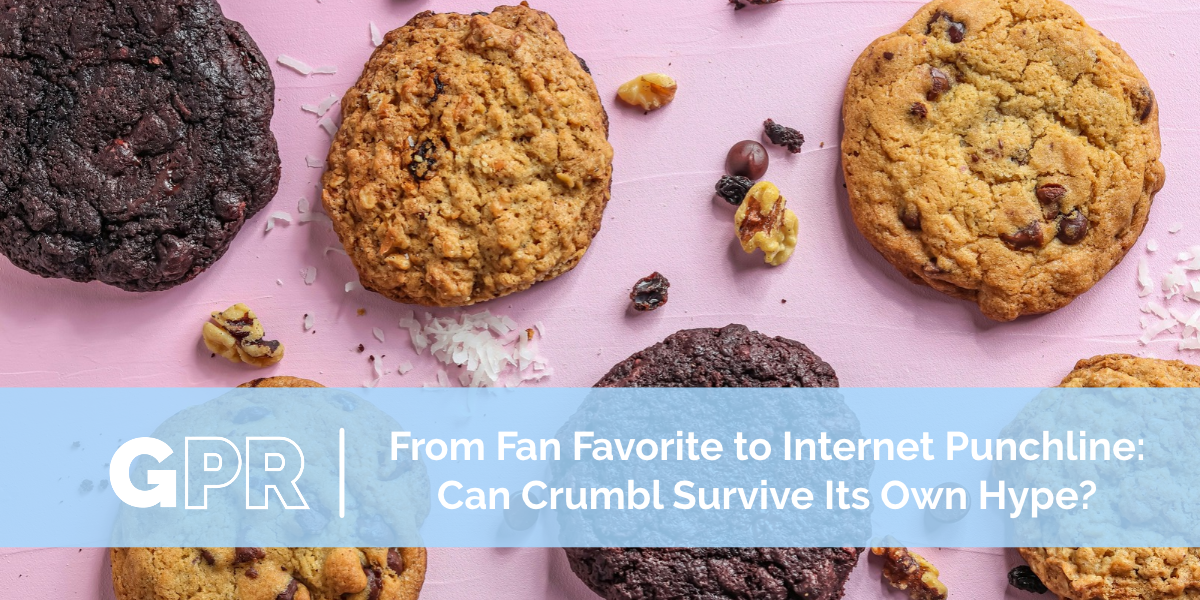
Crumbl Cookies has built a hard-to-miss brand. From its iconic pink boxes to its weekly rotating flavors, the cookie shop has turned trying new treats into a social media event. Customers share reviews, rank their favorite flavors, and debate whether the cookies are actually worth the hype. Despite its success, online attention isn't always a good thing. Over time, Crumbl has faced criticism surrounding its products, new menu items, and brand decisions. What started as a way to build excitement has also created some unexpected internet drama. So, is all this attention helping Crumbl stay relevant, or could it be hurting the brand's reputation?
A Recipe for Going Viral
Crumbl did not become a social media sensation overnight. Since opening its first location in 2017, the company has taken a different approach to building customer interest. And honestly, it is a pretty smart strategy. People love having something to look forward to, especially when they can share their opinions online. Every new menu gives creators another reason to film taste tests, rank flavors, and debate which cookies are worth buying. According to Fast Company, Crumbl's frequent product releases helped turn the brand into a viral content engine. Instead of the company having to create every piece of content itself, customers do a lot of the work by posting reviews and reactions. From a PR perspective, this is a great way to get people talking about a brand without relying entirely on traditional advertising. The pink box has become one of Crumbl's most recognizable features; oversized cookies, colorful weekly lineup, and eye-catching presentation make the brand easy to spot both in stores and across social media. The rotating weekly menu creates anticipation, giving customers a reason to keep coming back to see what new flavors are available. However, there is a downside to constantly creating hype. When people expect something new and exciting every week, it can be difficult to keep everyone happy. A cookie that looks amazing in a promotional photo might not live up to expectations once someone tries it, and when a cookie disappoints someone, there is a good chance the internet will hear about it.
When the Reviews Get a Little Too Real
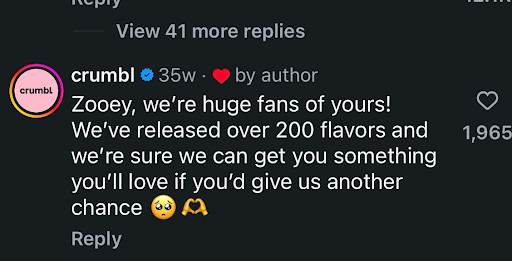
In March 2026, actress Zooey Deschanel shared a review of Crumbl that quickly caught people's attention. In a video posted on March 6, she tried several cookies and was not exactly impressed. She criticized their sweetness, size, and flavors, sharing her honest reaction with her viewers. Her caption, “Someone had to say it,” pretty much sums up the video. According to the Miami Herald, the review sparked plenty of reactions, with some people agreeing with her and others joking about her expressions while tasting the cookies. Crumbl responded in the comments by thanking her for the feedback and pointing out that it had released more flavors, leaving the door open for her to find one she liked.
Rather than getting defensive, the company kept things friendly. This was a good PR move because arguing with a celebrity over a cookie review probably would not have helped anyone. The criticism did not stop there. In June 2026, Crumbl's Crazy Cousins drink also sparked online discussion. The drink combines soda, energy drink, fruit flavors, and coconut cream, and people began questioning its sugar content. Yahoo News covered the backlash, including claims about the drink's nutritional content that had not been independently confirmed. Then, in July, a Flamin' Hot Cheetos-topped cookie brought even more reactions. As The Street reported, some people questioned whether the unusual combination was creative or simply another attempt to get attention. Between the reviews, the drinks, and the new flavors, Crumbl has given the internet plenty to talk about. The question is whether all that attention is helping the brand or slowly changing how people see it.
Is All Publicity Really Good Publicity?
We have all heard the saying that there is no such thing as bad publicity. When a brand is getting thousands of views and comments, this may seem true. But just because people are talking about a company does not mean they have a positive opinion of it. A viral review might encourage someone to try a cookie for themselves, but it could also make someone question whether the product is worth the price. For Crumbl, the rotating menu is a big part of what makes the brand interesting, but constantly trying to come up with the next big thing can create a lot of pressure. At some point, people might start wondering whether a new flavor is actually good or simply designed to get everyone talking. This is where PR becomes important. Brands need to pay attention to what people are saying online and determine whether the criticism stems from people joking around or if customers have real concerns. They also need to look beyond likes, views, and comments to understand how people actually feel about the brand. Crumbl's response to Deschanel's review showed that acknowledging criticism without getting defensive can help keep a situation from escalating.
The Takeaway: Don't Let the Hype Eat You Alive
Crumbl's recent internet drama is a good reminder that getting attention and building a strong reputation are not the same thing. Social media can help brands reach new audiences, create excitement around products, and get customers involved in conversations. However, long-term success takes more than a viral video or a popular weekly menu to achieve. Brands need to deliver products that meet customer expectations and build relationships with the people who support them. For PR professionals, this means looking beyond engagement numbers and asking the following questions. Are people talking about the brand for the right reasons? Are customers actually enjoying the products? Is all this attention helping build a positive reputation?
Crumbl also has an opportunity to turn some of this criticism into something positive. Instead of ignoring negative comments, the brand can use customer feedback to understand what people want and where it may be falling short. This could mean paying more attention to cookie quality, listening to concerns about pricing, or making changes based on customer preferences. Responding to feedback shows customers that the brand values their opinions and is willing to make improvements. Sometimes, how a brand responds to criticism can say just as much about its reputation as the mistake itself.
Crumbl's criticism does not automatically mean the brand is failing. In fact, the continued conversations show just how much attention it can generate. The challenge is making sure that attention turns into something more than another viral moment. Because while the internet might move on to the next food trend next week, a brand's reputation can stick around much longer than a limited-edition cookie.
About the Author

Katherine Herrmann is a senior majoring in Advertising & Public Relations with an emphasis in public relations. This is her second semester on the GrandPR team. Most recently, she served as an Account Associate for the CLAS Voyage team, helping build awareness for their programs and experiential learning opportunities through content creation and brainstorming ways to better connect with students. Outside of GrandPR, she serves as the Director of Professional Development for PRSSA, where she plans agency tours, coordinates logistics, and helps create additional professional development opportunities such as resume workshops, networking events, and member bonding events. After graduation, Katherine is especially interested in agency work because she likes the fast-paced environment, but is also open to in-house or nonprofit roles. She hopes to eventually incorporate her love for horses into her professional career in some way.