
Millennials VS Gen Z: The Generational Shift in PR Copywriting
Public relations is the prime communication between connecting with audiences, but over the years the way professionals communicate is constantly changing. Copywriting has turned into brand entertainment. Traditionally, formal messaging is making room for more conversational, personality-driven copywriting, especially across social media. However, as Gen Z becomes a larger part of the consumer market and enters the workforce, PR professionals are rethinking how they write to capture attention and build meaningful connections.
There is a generational shift within PR copywriting. It isn’t just the new slang or adding emojis to captions; it reflects a much larger change in how the audience consumes new information.
Different Generations, Different Expectations
For decades, PR writing consisted of carefully crafted messaging with formal language. Press releases, media pitches, and corporate statements remain important aspects, but social media platforms have created a tremendous amount of opportunities for brands to communicate more casually.
Younger audiences often encounter brands through TikTok, Instagram, and X, where short, relatable content is being posted daily. With these platforms, brands are finding new ways to connect with their consumers through more personalized advertising. Brands have started using jokes as a way to advertise, including memes or short reels. Gen Z has set an expectation for recognition, rather than reading.
Wendy’s: A Perfect Example
We all know Wendy’s and their major advertising shift.
Wendy’s is one of the best examples of this generational shift. In the past, Wendy’s advertising focused heavily on its food, product quality, and competitive advantages.
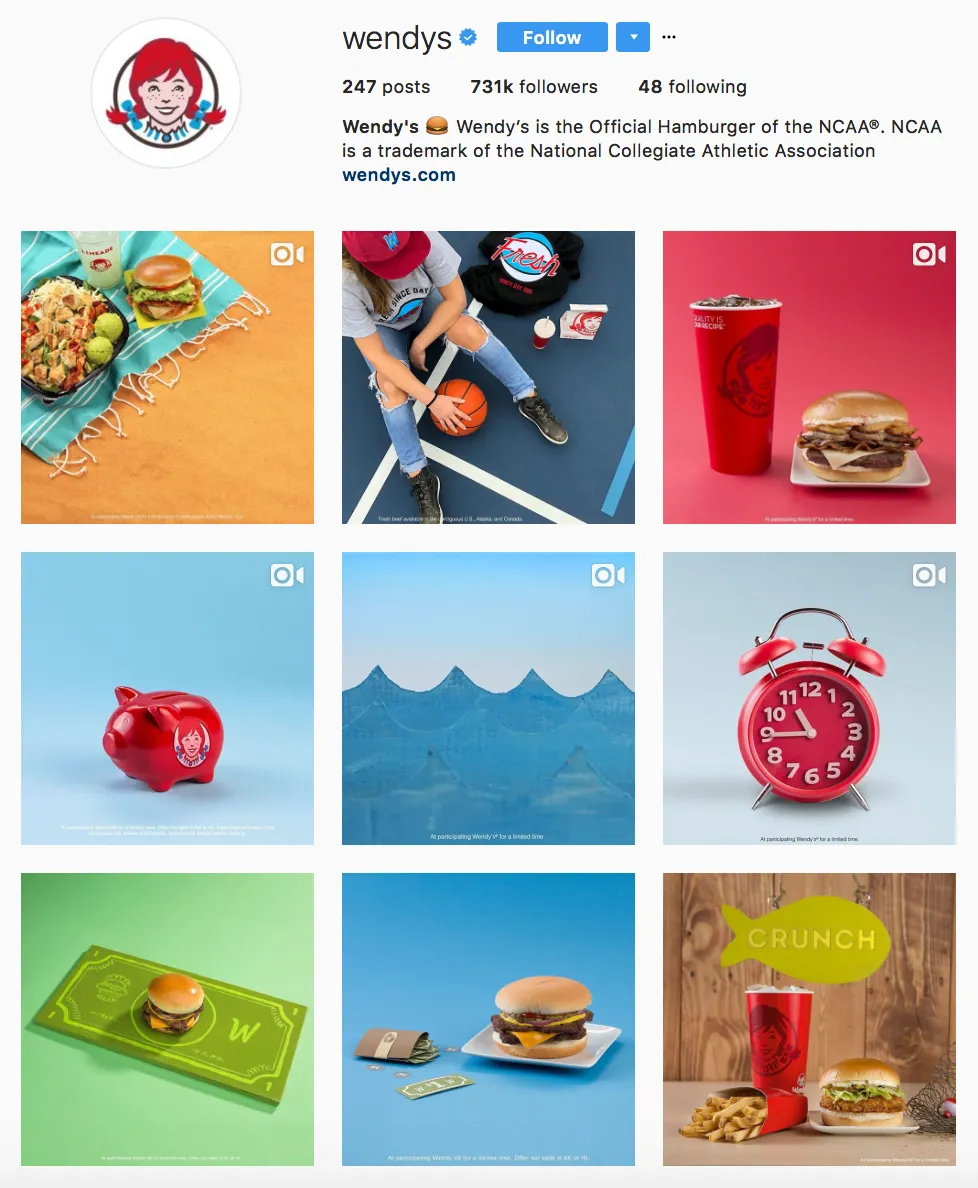
In 2018, the company presented themselves as cool and modern through their aesthetic feed and creative pictures. Promoting the brand and deals they’re having, and generally does what you would expect from a company in the twenty-first century. Although humor was already part of Wendy’s advertising, the way the brand delivered that humor has evolved. Traditional advertising relied heavily on television commercials, catchy slogans, and carefully planned messages.
Today, Wendy’s social media presence illustrates how copywriting has shifted toward conversational, personality-driven communication. The brand became especially well known for its sarcastic posts and playful roasts on X, formerly Twitter. Rather than simply promoting menu items, Wendy’s began interacting with customers and poking fun at competitors, creating a brand voice that feels less corporate and more conversational. The brand started to communicate via memes.
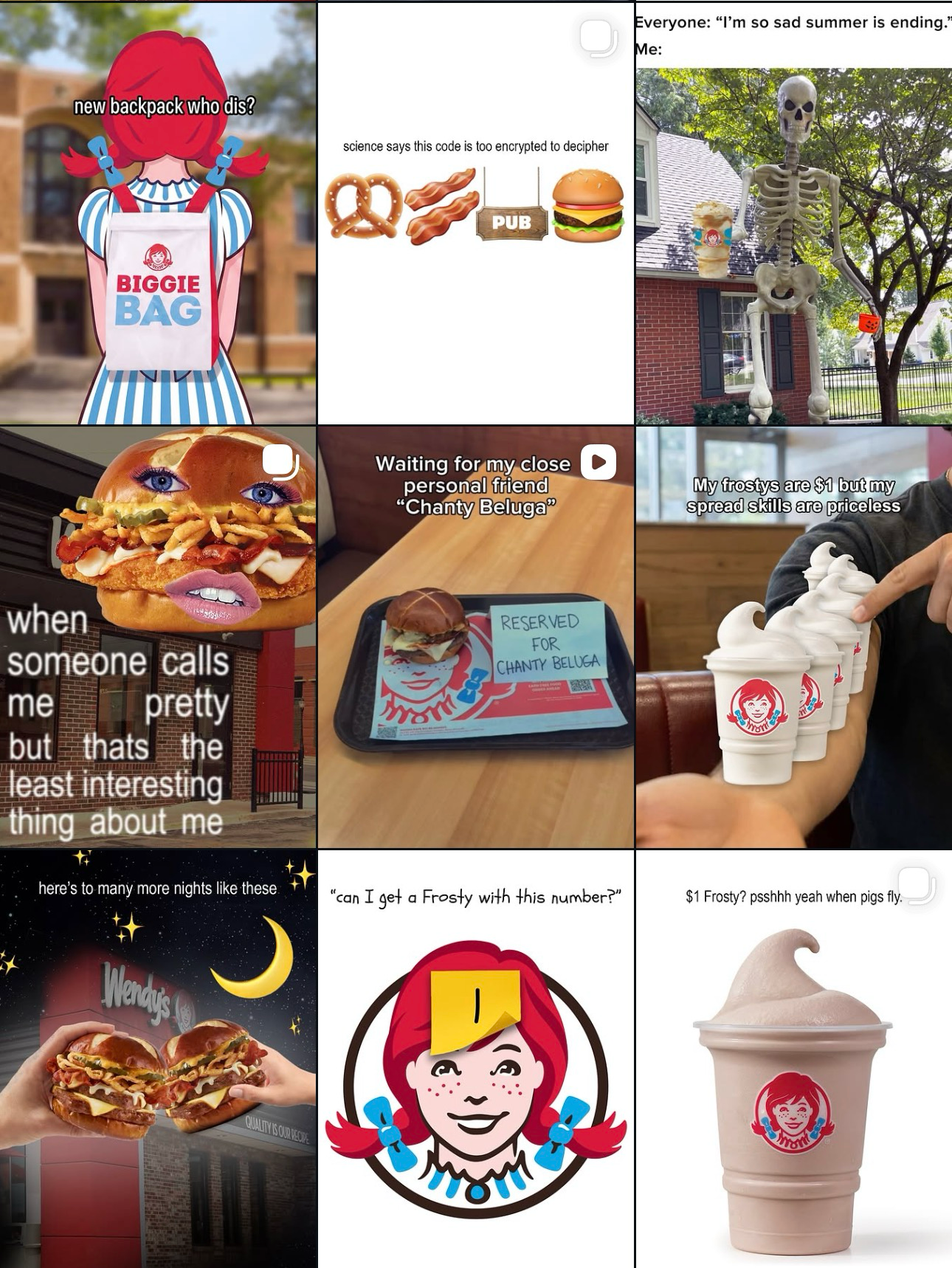
This meme-style approach reflects the communication preferences often associated with younger audiences, particularly Gen Z, who may respond to humor, relatability, and content that feels less scripted. Instead of speaking at consumers through traditional advertisements, Wendy’s creates opportunities to speak with them through replies, jokes, and online conversations. This shift is that digital platforms have created new expectations for how brands participate in conversations and demonstrate their personalities.
What This Means for the Future of PR
This generational shift requires careful judgment. Humor can effectively attract Gen Z audiences, as demonstrated by Wendy’s playful and sarcastic social media voice. However, it can also create reputational risks if a joke is insensitive or poorly timed. PR professionals must understand their audiences and recognize when a more serious tone is necessary.
As generational preferences continue to evolve, PR professionals must balance traditional communication skills with new digital strategies. Strong writing, storytelling, audience research, and ethical communication remain essential, even as platforms and communication styles change. Ultimately, modern marketing and copywriting are not just about selling a product. They are about understanding and adapting to the values and communication styles of the intended audience.

Lily is a senior majoring in Advertising & Public Relations with a minor in Marketing. She currently stands as an Account Associate and Media Coordinator of GrandPR. After graduation, Lily hopes to pursue a career in entertainment marketing and travel as much as possible.