
Dream Big: How Marty Supreme Used Creative PR to Break the Box Office
In the fall of 2025, the new A24 film ‘Marty Supreme’, starring Timothée Chalamet, was scheduled to release in December. As with any major film, its success relies not only on the star power or production quality, but on the strength of its marketing and PR. The team behind the scenes plays a pivotal role in generating buzz, and most importantly, making people want to watch the film and convincing them to buy tickets. In today's generation, this is even harder with streaming culture on the rise; getting people to actually go to a theater has become a growing issue in film marketing. Traditional tactics like a simple trailer, displaying the rotten tomatoes score, celebrity interviews, and Instagram posts don’t suffice. Gen Z and Millennials, who were the target audience for this film, are desensitized to these overly used marketing strategies. It was up to the marketing team to come up with a creative way to build hype and grow enough of the public's interest to help make the film a box office success.
On November 17, 2025, A24 posted to their YouTube channel a video simply titled, “Timothee_Chalamet_internal_brand_marketing_meeting_MartySupreme_11.08.2025.mp4”. The video was Chalamet in a Zoom meeting with the marketing team of the film, which consisted of the actor throwing out the craziest ideas on how to promote the film using humor as a main tactic. The informal and unpolished style felt genuine and non-corporate to fans. The title, simply being a file name, also piqued the public's interest to click on the video. The YouTube comments expressed their love for the video, and it was a hit; people found the concept extremely creative and genuine. A few of the top comments read, “I just love how realistic this is, really captures how painfully awkward and ridiculous work zoom calls can be,” and “The concept of a marketing campaign within a marketing campaign”. This video tactic of the movie campaign attracted millennials with the Zoom workplace culture that the video was able to tap into. The humor and self-aware tone aligned with Gen Z’s preference for authentic, less polished brand communication.
Another strategy that helped build hype for the campaign was celebrity endorsement. The film was already starring this generation's top stars, such as Tyler, The Creator, Odessa A'zion, and the Shark Tank star in his first feature film role, Kevin O'Leary. What really brought the film into the limelight was a limited edition merch item that was only given to celebrities and athletes. A few of the top celebrities that sported the jacket were Kendall Jenner, Justin & Hailey Bieber, Tom Brady, Steph Curry, Frank Ocean, and even Bill Nye. The celebrities were not only spotted in the clothing but also posted to their Instagram or tweeted about it, garnering the film even more attention from additional highly influential figures and millions of fans. The windbreakers were sent to highly accomplished artists, athletes, and public figures. They all had the film's tag line in common: “Dream Big”. This led to the jacket being treated like a badge of honor among celebrities, prompting more celebrities to reach out to get their hands on the jacket. The $250 90s-inspired windbreaker was produced by the Los Angeles-based luxury streetwear brand NAHMIAS and sold out at pop-ups and resale sites within minutes. The windbreaker now resells for 1,000 to 5,000 dollars.
So was this marketing successful? Did people actually go to see this movie in theaters? Marty Supreme became A24's highest-grossing film ever, generating approximately $179.3 million worldwide as of March 2026. The film grossed over $96 million domestically and roughly $83 million internationally, surpassing the previous record holder, Everything Everywhere All at Once. Along with financial success, the film was critically acclaimed with 9 Oscar nominations. The success of Marty Supreme demonstrates that modern audiences are increasingly resistant to traditional promotional tactics. Instead, audiences respond more positively to campaigns that feel authentic, creative, and culturally relevant.
About the Author
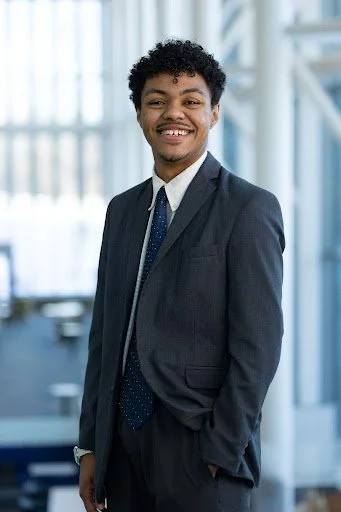
Rafael Pewee is a senior majoring in Advertising & Public Relations at Grand Valley State University and is in his first semester with GrandPR, where he serves as a Media Coordinator. He brings experience in media planning, content creation, and community-centered communication through internships and project-based work with organizations including Artists Creating Together, the Lighthouse Foundation, FRAM Automotive, Weller Auto Parts, and the film Harmony in Motion. Outside of GrandPR, Rafael serves as the Media Planning Team Captain for the National Student Advertising Competition and is involved in GVSU’s Advertising Club. After graduation, he plans to pursue a career in corporate communications and work at an advertising or public relations agency in Chicago.