
Balancing College Life Like A Race Weekend
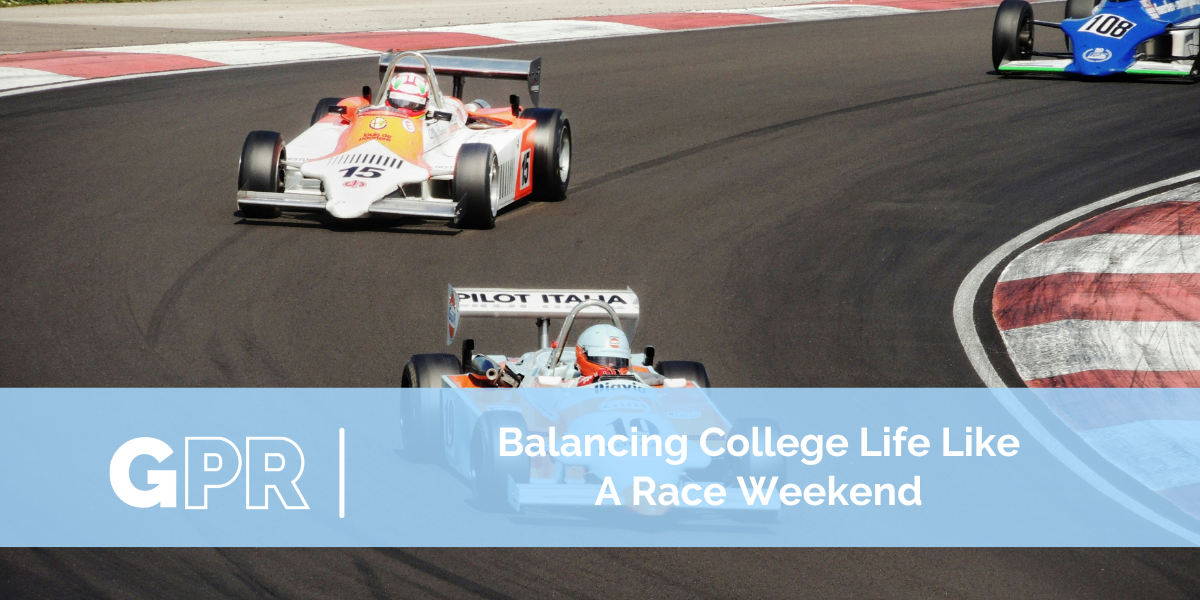
College life can feel like a constant race. It’s fast-paced, high-pressure, and full of twists and turns. Between classes, jobs, and a social life (that somehow demands attention at the most inconvenient times), finding a balance doesn’t quite seamlessly fall into place. But what if the structure within Formula 1 could offer a surprisingly fitting conceptual representation of how it all comes together?
Race Weekend: There’s More Structure Than You Realize
Success in Formula 1 isn’t decided on race day; it’s built long beforehand. Each season features multiple races around the world, with drivers earning points based on their finishing positions. Those points accumulate throughout the season, ultimately determining the championship standings.
A typical race weekend unfolds in three stages: practice sessions, qualifying, and the race itself. Practice allows teams to test setups and refine performance. Qualifying races determine starting positions. Then comes race day, where execution matters most.
The parallels to student life are hard to ignore. Practice mirrors a student’s preparation: studying, planning, and organizing their time before things get serious. Qualifying reflects deadlines, exams, major projects, presentations, and the polishing of resumes or portfolios, moments that position us for success. And race day? That’s execution: interviews or networking, where everything comes together and just might land us our dream job.
You’re Not Racing Alone: The Power of a Team
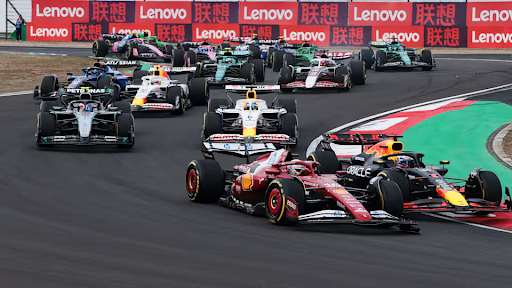
Despite the spotlight on drivers, Formula 1 is never a one-person show. Behind every driver is a team of engineers, pit crew members, strategists, and more who work together to make success possible.
College works the same way. Classmates, professors, friends, and mentors all play a role in our journey. Independence is valuable. But success that’s achieved alone? That’s unheard of.
There’s a simple truth worth remembering: a candle loses nothing by lighting another candle. Even when employment and future opportunities feel competitive, especially in closely related fields or similar majors, collaboration still matters. In similar motorsports, such as NASCAR, techniques like drafting (or “bumper riding”) allow drivers to lean on one another for support. Essentially, this technique builds speed and momentum for both cars while allowing the car behind to conserve fuel, reducing stress on it and increasing the chances of a successful finish.
The same idea applies to student life. Supporting others doesn’t slow you down; it helps everyone see their own path through. Every car and team differ, like students, though we all deserve to experience the journey together.
The Balance of Student Life: Academics, Social Life, Work, and Planning
If academics are the main race, then work and employment might resemble the engineering side of Formula 1: the constant and thoughtful effort behind the scenes that keeps everything running. It’s not always visible, but it’s essential to supporting a student’s lifestyle and the possibility of pursuing a higher education. With this, social life acts as a pit stop. These are our opportunities to reset, recover, and recharge before jumping back into the intensity. Overall, planning our visions, commitments, and goals serves as a race strategy. This future-forward way of thinking shapes how we approach everything from weekly schedules to long-term aspirations.
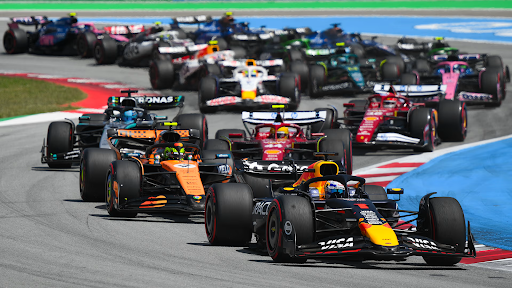
A balanced “race strategy” in college might look like this:
Scheduling study time like practice laps
Prioritizing deadlines the way drivers approach qualifying rounds
Taking breaks intentionally to avoid burnout and revive spirits, or rather, ensure proper functioning mechanics
Adapting to the course, trusting experiences in knowing when to push harder, and when to reset
Because let’s be honest, late nights, overcommitment, and burnout are common. They’re almost expected. The key isn’t avoiding them entirely; it’s learning how to manage them without spinning out.
Confidence Under Pressure When Things Go Off Track
Formula 1 drivers perform under extreme pressure. In racing, things go wrong all the time. Every decision matters, and there’s little room for hesitation. Crashes happen, and pit stops go poorly. Weather conditions shift without warning. Without a doubt, mechanical failures can end a race in seconds. This is inevitable. Beyond these external factors, a driver’s mindset and decision-making might jeopardize an entire weekend.
Students face their own version of that pressure. Exams that determine grades, interviews that shape careers, and presentations that test confidence carry a lot of weight for a young adult. The environments may differ, but the stakes feel just as real.
Here’s the truth: no plan is perfect, and that’s normal. The real question is: What do you do when your “race” doesn’t go as planned? Do you give up, or do you adjust and persevere? What separates those who succeed isn’t luck; it’s preparation, confidence, and adaptability. Preparation builds the foundation. Practice and experience give us confidence. Adaptability keeps us moving forward when things don’t go perfectly and ultimately moves us closer to goals. This is the essence of a pre-professional mindset: showing up ready, staying composed/grounded, and adjusting when necessary.
The “Finish Line” Is Not the True End
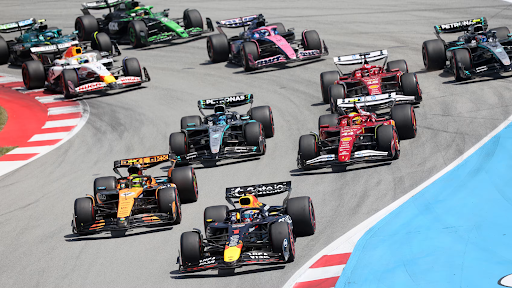
In Formula 1, one race ends, and another begins. The season continues, and so does the pursuit of improvement. College follows a similar rhythm. One semester ends, and another takes its place. A finished project leads to the next deadline. Progress is continuous.
With this timeline and long-term vision, balance clearly isn’t something to achieve once and check off a list. It’s something to adjust and refine over time. The duration of college life is both quick and slow, though throughout it, we are equipped with methods that fuel us to take on our next season. College isn’t about being perfect. It’s about learning how to adjust. Like racing, it demands consistency, resilience, and growth. We won’t win every race. We won’t get every decision right. But if we keep learning, adapting, and showing up, we’re still moving forward, together.
About the Author

Anna is a GVSU junior studying Advertising & Public Relations with a minor in Applied Statistics. She brings energy, curiosity, and thorough thoughtfulness to every project, pairing wit and collaborative leadership with a passion for out-of-the-box ideas and impactful campaigns. She’s looking to pursue opportunities in copywriting, media planning, strategy, or analytics while embracing growth and adventure.