
A Step in the Wrong Direction: Converse PR Controversy

One Ad, Lots of Backlash
When a brand puts out an ad, they want people to notice it. But what happens when the attention is for all of the wrong reasons? Converse found itself in this situation after an ad featuring K-pop artist Karina sparked backlash over its Chuck 70 X sneaker ad. Critics felt parts of the image resembled Ku Klux Klan imagery and referenced the history of lynching, turning a shoe campaign into a much bigger conversation about race, advertising, and brand responsibility.
When Creativity Misses the Mark
Advertising is all about making people stop and look. But there is a difference between getting attention and sending the wrong message.
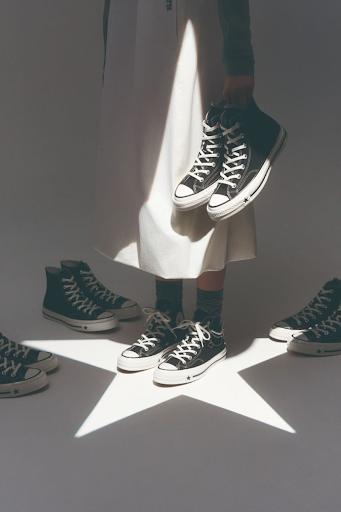
An image from the Converse ad. (Converse)
In the Converse ad, critics pointed to the shadows on Karina’s white skirt, which they felt resembled a KKK hood. Others thought that the way the shoes were positioned referenced the feet of a lynched person.
It is a good example of how an image can mean something completely different to the people viewing it than it does to the people who created it. A brand might focus on the styling, photography, and overall look of an ad, but the audience may notice something that the brand missed entirely.
This is why the review process matters just as much as the creative. Getting different people to look at a campaign and share their opinion can help catch details that one team might miss. No one wants to put time and effort into an ad only to have the conversation shift from the product to a serious controversy.
Backtracking After the Backlash
Once the criticism started, Converse had to decide what to do. The company removed the ad and apologized, acknowledging the concerns surrounding the imagery and taking responsibility over the campaign. CBS News covered the company’s apology and decision to pull the campaign.
Taking the ad down was a necessary first step. Leaving it up without addressing the concerns could have made things worse. But removing a post does not mean the problem disappears with it. People had already seen the image, shared their reactions, and started questioning the brand’s morals.
This is where crisis communication becomes important. A good response is not just about saying sorry. It also shows the company understands why people are upset and that they are willing to learn from the situation.
From a PR perspective, the bigger question is: what happens after the apology? Will Converse change how it reviews future campaigns? Could getting more perspectives involved help prevent a similar situation? These are the kinds of questions brands need to consider if they want to rebuild trust and their public opinion.
The Audience Sees More Than Just the Ad
When creating a campaign, people bring their own experiences, backgrounds, and perspectives to everything they see. That means brands need to think beyond whether an ad looks good or fits their creative vision.
Once something hits social media, the brand is no longer in control of the conversation. People can repost an image, share their opinions, and bring attention to details the company may have overlooked. As Spourt Social explains, a public apology needs to feel sincere. For Converse, that means more than taking the ad down; it means showing people that the company understands why the image caused concern.
Brands cannot predict every reaction, but they can take the time to consider how their content might come across to different audiences. Sometimes, getting another set of eyes on a campaign can make all the difference.
The Real Work Happens Before the Post
Converse’s ad shows how one creative decision can affect more than a campaign. Even an ad that looks good can miss the mark if the people behind it do not consider how it might be received.
At the end of the day, good PR is about more than getting attention. It is about listening to feedback, learning from mistakes, and maintaining people’s trust. The most important work happens before an ad ever goes live.
About the Author

Ava Winter is a sophomore majoring in Advertising and Public Relations, with an emphasis in public relations. This is her first semester involved with GrandPR. She currently serves as the Social Media Director for GVPRSSA, where she helps manage the organization’s online presence and engagement. Through her involvement in public relations and social media, Ava is passionate about strategic communication, digital storytelling, and audience engagement. After graduation, she hopes to pursue a career in fashion/events PR.